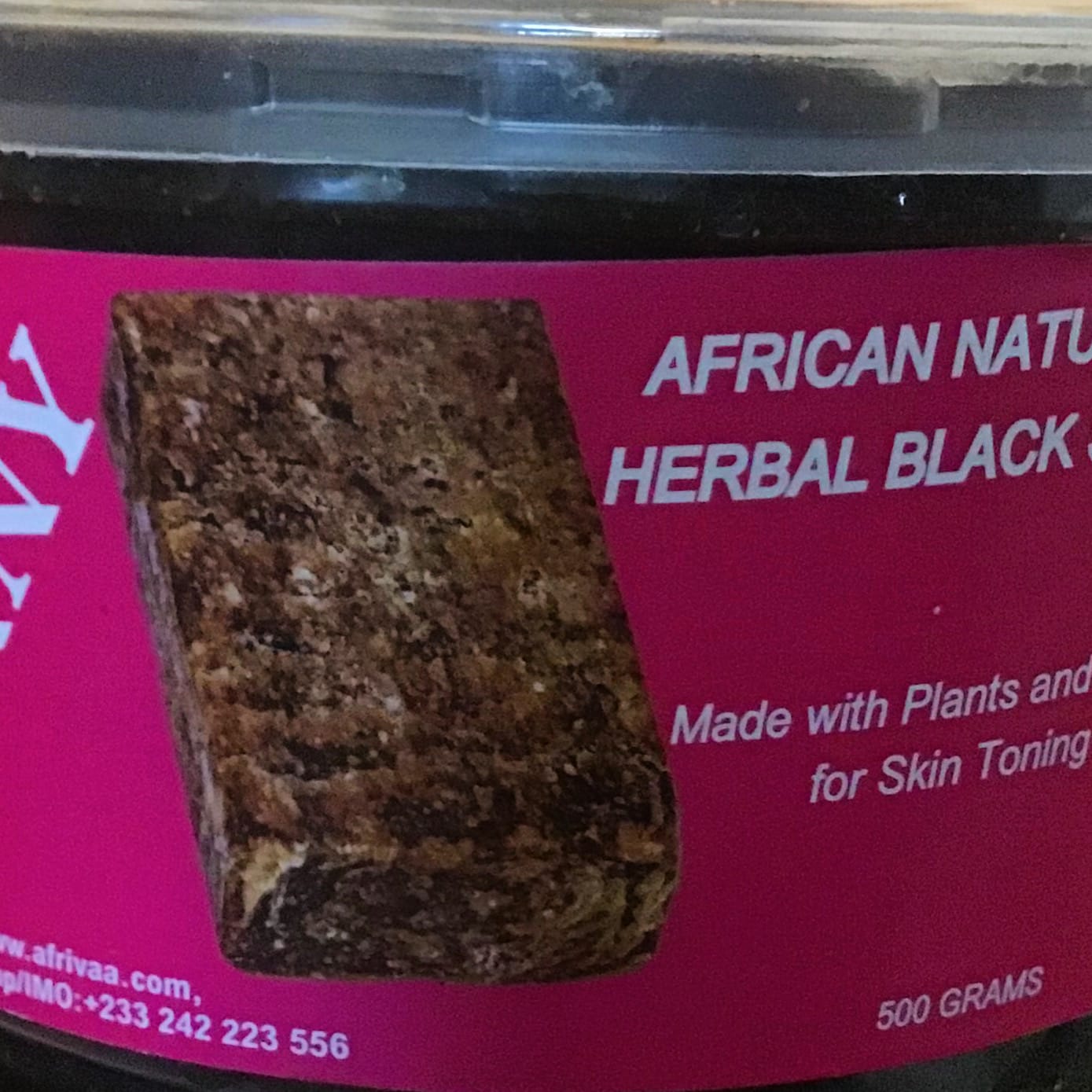
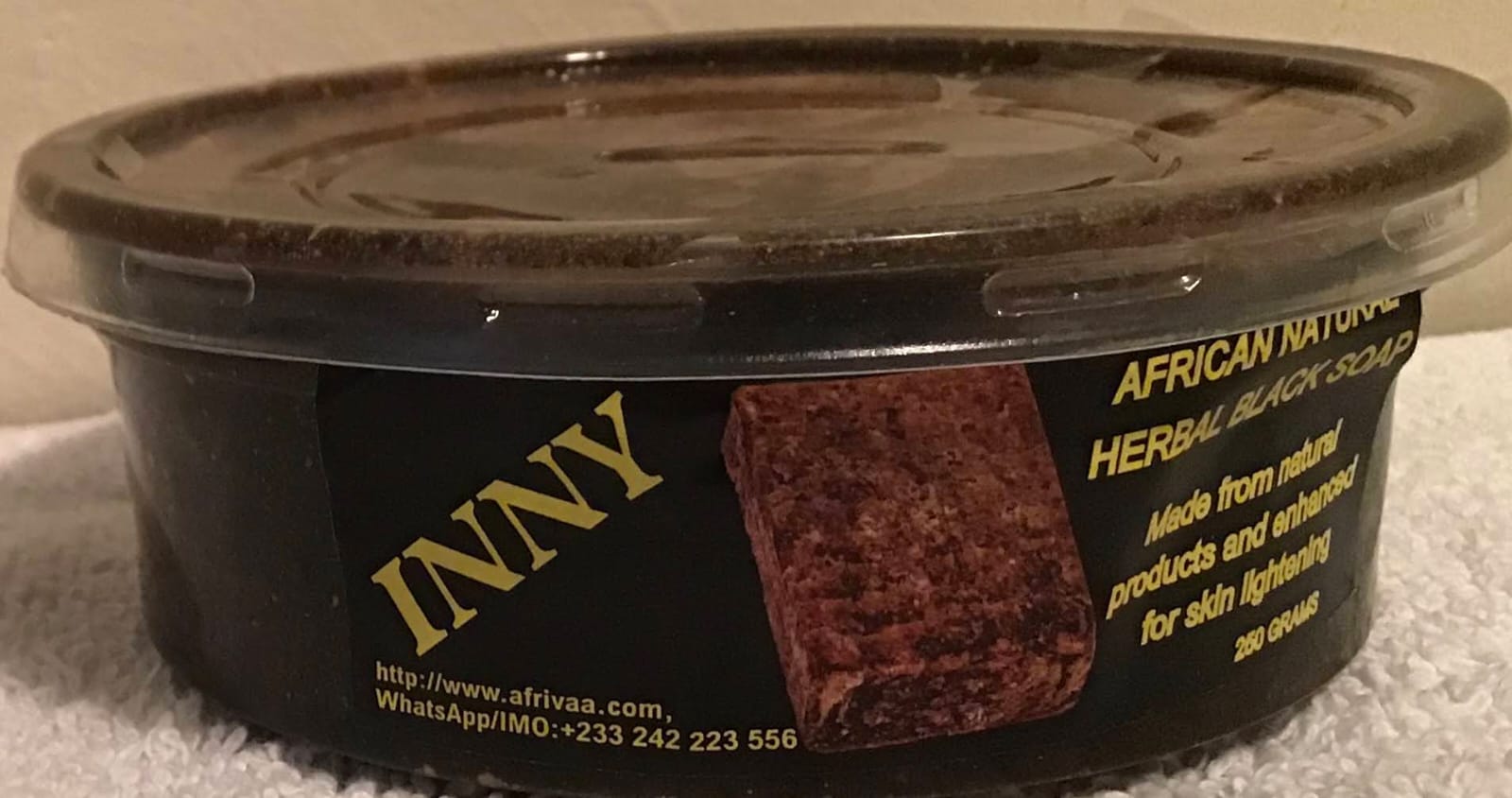
African black soap, or simply black soap (also known by various local names such as ọṣe dúdú, sabulun salo, and ncha nkota), is a kind of soap originating in West Africa. It is made from the ash of locally harvested African plants and dried peels, which gives the soap its characteristic dark colour as well as oils derived from plant sources. Black soap has become a popular toiletry product in North America, Europe, and Asia. In West Africa, black soap is often made by women using traditional recipes employing natural, chemical-free local methods.
The Rich History of African Black Soap
The earliest origins of African black soap are traced to the Yoruba People of West Africa dating back to the 14th century. Some communities use shea butter while others incorporate palm oil in their soap-making processes. Despite its name, African black soaps are rarely pure black; most quality ones range from beige to dark brown.
Early detailed accounts appear in Awnsham Churchill’s A Collection of Voyages and Travels…, noting that in the Senegambia region the Portuguese valued the soap for its effectiveness. Dutch merchant and diplomat David van Nyendael described soap-making on the Gold Coast (modern-day Ghana), where locals used palm oil, banana leaves, and wood ash. Nyendael noted soap-making techniques were similar across regions, differing little from those in Benin, Nigeria, whose soaps were said to have a violet fragrance.
Oral history in Ghana points out that the soap-making tradition was taught by the Yoruba people. Today, the soap is called Alata Semina in Ghana, referring to “Pepper Sellers Soap,” after the peppers sold by Yoruba traders who introduced the technique.
How Is African Black Soap Made?
African black soap is traditionally crafted using natural plant materials and a long cooking process. Here’s how it is made:
Plant matter such as plantain skins, palm tree leaves, cocoa pods, and shea tree bark is first sun-dried.
The dried plant matter is then burned to produce ash, which provides the alkali required to convert or saponify the oils and fats.
Water and various oils and fats, such as coconut oil, palm oil, and shea butter, are added to the ash.
The mixture is cooked and hand-stirred for at least 24 hours.
After the soap solidifies, it is scooped out and set out to cure before use.
Ingredients and Varieties
African black soap does not contain lye (a common soap ingredient). It is usually unscented, free of dyes, and made purely from natural ingredients. Common ingredients include ash from various plants, shea butter, palm oil, coconut oil, and other locally sourced oils.
A special type known as ose-dudu originated with the Yoruba people of Nigeria. When combined with leaves of the tropical camwood tree (Pterocarpus osun), it produces an exfoliating soap, similar to INNY African Herbal Soap today.
The color of African black soap varies by recipe and ingredients, ranging from beige to dark brown but rarely pure black.
Our Products
We proudly offer INNY African Herbal Soap and other traditional soaps made using time-honored recipes with natural ingredients.
INNY African Herbal Soap — A gentle exfoliating soap made with camwood leaves and ose-dudu for healthy, glowing skin.
Classic African Black Soap — Traditional formula with shea butter and palm oil for moisturizing and cleansing.
Shea Butter Black Soap — Enhanced with rich shea butter for deep nourishment and skin repair.